Spring Event Season Special Offers. Click here


Spring Sports Season: Essential Shelter Solutions for NZ Sports Clubs
August is the month when every sports club committee in New Zealand has the same conversation. The season’s coming. What do we actually need sorted before it starts?
For most clubs, the list is long and the budget is tight. Ground prep, gear checks, registration, roster updates. Shelter probably sits somewhere in the middle of that list, treated as important but not urgent.
And then the first Saturday of September arrives. It’s 8am, it’s raining sideways, your coaches need somewhere to stand, your first aid kit needs to stay dry, and the borrowed gazebo from two seasons ago is still in someone’s garage waiting to be fixed.
This is a guide for club managers, committee members, and the volunteers who end up carrying most of the organisational weight. Here is what to think about now, while you still have time to sort it properly.
Why Sports Clubs Have Different Shelter Needs to Everyone Else
A market vendor needs their stall covered. A corporate team needs their branding visible. But a sports club needs shelter to serve a whole range of functions at once, sometimes across the same site, sometimes across multiple grounds on the same weekend.
Think about what actually happens at a typical Saturday fixture. You need somewhere for coaches and managers to work from and stay dry. A first aid and equipment station that protects gear that cannot get wet. A player rotation or warm-up area with some cover. A registration and scoring point that spectators can find quickly. And on a club day with multiple age groups running simultaneously, you might need several of these operating at once.
A single large gazebo does not always solve that. Multiple smaller units positioned strategically often work better, because they give you flexibility when site layouts change or when an unexpected venue swap happens at short notice.
The Sports Where Shelter Matters Most
Hercules gazebos are designed around a different idea: every part should be replaceable on its own. Not the whole frame. Not the whole canopy. Just the bit that’s actually worn out or damaged.
That means if a leg gets bent in transport, you replace the leg. If a connector wears out after years of weekly setup, you replace the connector. If your canopy fades or tears after a few hard summers, you replace the canopy, not the frame underneath it; that’s still perfectly solid.
This isn’t a small design choice. It’s the entire philosophy behind how we build. A gazebo that can be repaired piece by piece is a gazebo that can genuinely last a decade, not just survive until the first thing breaks.
What You Can Actually Replace
Different sports create different shelter requirements, and it is worth thinking through your specific situation before you order anything.
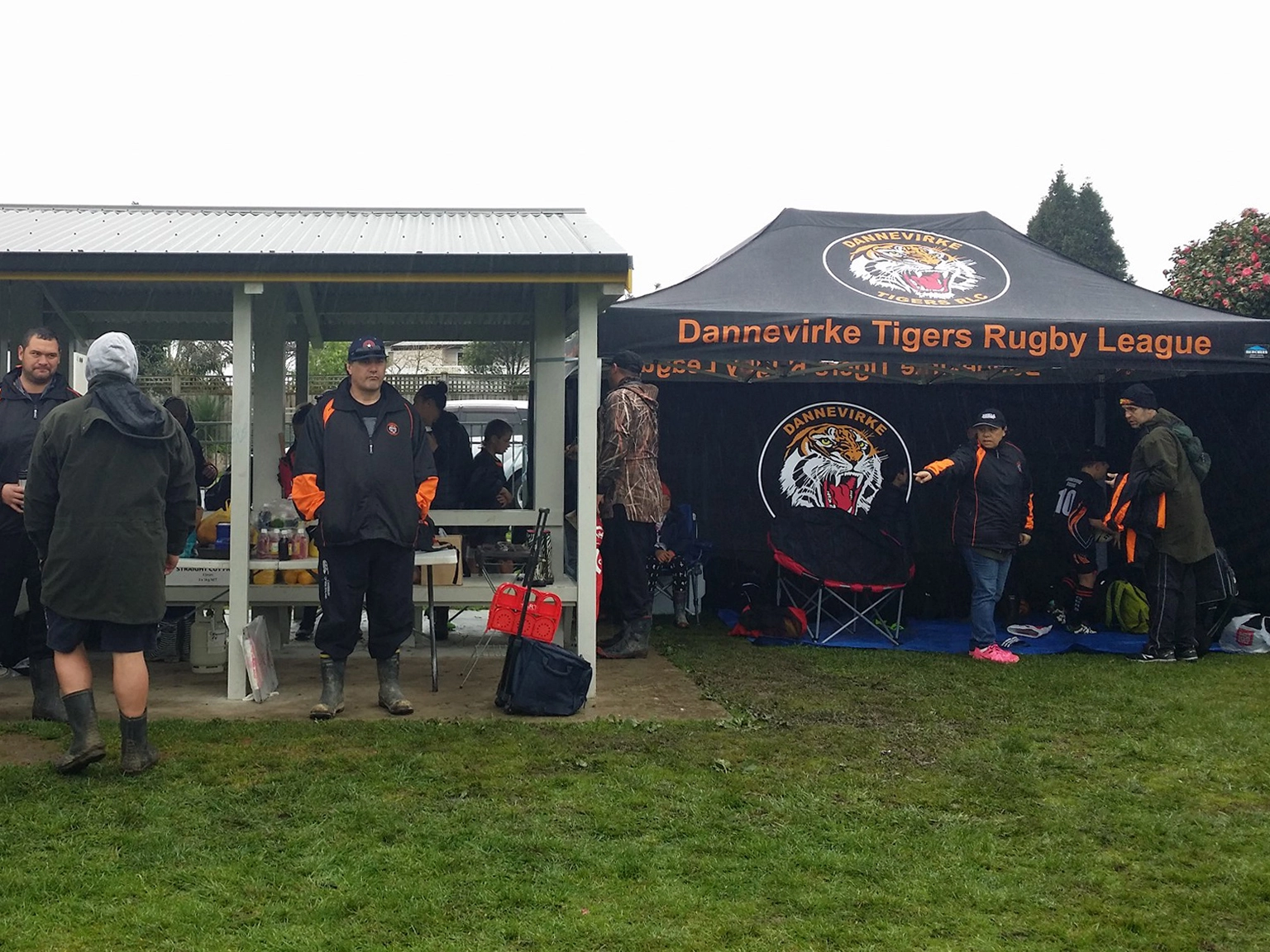
Rugby and league. Long fixtures, often in wet conditions, with large playing squads rotating through. Sideline shelter for the bench, a separate space for coaches reviewing lineout calls or defensive patterns, and first aid coverage for a high-contact sport where injuries are not uncommon. Clubs with multiple grades running on the same ground on the same day need enough units to cover each team’s setup independently.

Netball. Court-side shelter for players not on court, coaches, and scoring officials. Netball grounds are often more compact, so a 3x3m unit per court works well without taking up space that spills onto adjacent courts. UV protection matters as much as rain cover here, because spring netball often runs into the middle of the day when the sun is genuinely strong.
Football and futsal. Multi-pitch weekend setups where each team needs its own bench area. Clubs hosting visiting teams also have a responsibility to provide adequate facilities, and a well-set-up home ground makes a difference. Branded gazebos with club colours at each pitch create a professional look that visiting clubs notice.
Cricket. All-day matches create a different kind of demand. The batting team needs shelter for the full duration of play, scorers need protection for their equipment and paperwork, and supporters sitting through a full day need somewhere to get out of the sun. A 3x6m unit or two connected 3x3m units works well for cricket sidelines.
What to Actually Look for in a Sports Club Gazebo
Not all gazebos are suited to weekly outdoor use across a full sports season. Here is what matters for a club context specifically.
- Quick setup by whoever is available. Your gazebo will be put up by different people every week. coaches, parent volunteers, junior players helping out. The mechanism needs to be simple enough that someone who has not done it before can work it out without instructions.
- Genuine weather protection. Spring in New Zealand is not reliably fine. The canopy needs to be properly waterproof, not just water resistant, and the frame needs to hold its shape in the wind rather than flexing and letting water pool.
- UV protection for summer fixtures. UPF50+ rated canopies make a real difference for clubs whose season runs into November and December, when UV exposure during a full day of sport becomes a genuine health consideration.
- Durability for weekly use. A club gazebo going through a full season is being set up and packed down 20 to 25 times. The frame joints and connectors need to handle that without degrading. Commercial-grade aluminium frames are built for this. Consumer-grade frames typically are not.
- Portability for away fixtures. If your club travels, the gazebo travels. Weight and pack-down size matter for loading into a trailer or van, especially when volunteers are also carrying playing gear, balls, and first aid kits.
Branding: The Practical Case for Club Colours
A lot of clubs see branding on a gazebo as a nice-to-have. In practice, it solves a real problem.
At a multi-club event or a ground where several teams are playing simultaneously, finding your club’s setup quickly matters. Players rotating back from the field, parents arriving mid-game, medical staff responding to an incident all need to be able to locate the right tent fast. A branded canopy with your club colours and logo visible from across the ground does that job better than any other solution.

The branding also creates an opportunity for sponsor visibility. Local businesses supporting your club can have their logo printed alongside the club crest, which gives them genuine exposure at every fixture you run through the season. That makes the cost of a custom canopy easier to justify to a committee or board.
Our custom printing service handles full-colour printing across the canopy, including club crests, colours, sponsor logos, and any other branding your club wants to carry. The print quality holds up through a full season of outdoor use.
Budget: How Clubs Are Making It Work
The upfront cost of a commercial-grade gazebo is the thing that makes most club committees pause. And it is fair to pause on it. But the question is not just what it costs to buy. It is what it costs to keep replacing cheaper alternatives.

A club that goes through two or three budget gazebos over three seasons, replacing broken frames, patching torn canopies, and dealing with the disruption of gear that does not show up working on the morning of a fixture, usually ends up spending more than a quality commercial unit would have cost. That calculation is worth doing before you commit to the cheaper option again.
A few approaches NZ sports clubs have used to fund gazebo purchases:
- Equipment grant applications through Sport New Zealand or regional sport trusts, where shelter equipment qualifies as club infrastructure
- Local sponsor partnerships, where a business funds the gazebo in exchange for logo placement on the canopy for the season
- Club fundraising allocation, treating it as a capital purchase rather than an operating expense
- Shared purchasing with a neighbouring club or school that uses the same grounds
Our sports club packages are put together with club budgets in mind. It is worth having a conversation before you assume it is out of reach.
The season starts whether you are ready or not. Getting the shelter sorted in August means you are not scrambling for a solution in late September when everyone else is doing the same thing and delivery lead times are longer.
Take a look at our full gazebo range or come into one of our Auckland, Wellington, or Christchurch stores and talk through what your club actually needs. We have helped a lot of sports clubs get this right and we can give you a straight answer on what will work for your situation.