Explore Black Friday Special Offers. Click here


How to Make Your Gazebo Windproof: Expert Tips for Kiwi Conditions
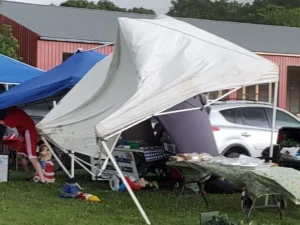
When buying a gazebo, one of the top concerns is wind. Many customers ask, “How much wind can this gazebo handle?” Unfortunately, we’ve all seen lightweight gazebos blow away at markets or outdoor events.
While no gazebo is completely windproof, a heavy-duty design combined with proper setup can help improve stability for temporary events. Suitable anchoring, careful sidewall use and packing away before severe weather all help reduce the risk of damage.

How to Secure Your Gazebo in Windy Conditions
Wind can be a challenge for any gazebo, especially if it is not properly prepared. Follow these practical tips to help keep your gazebo secure in New Zealand conditions.
1. Use Pegs and Guy Ropes on Soft Ground
Secure your gazebo with suitable pegs and guy ropes on grass or soil. Proper anchoring is essential to reduce movement.
Attach guy ropes to the designated anchoring points and follow the setup instructions for your gazebo. Check that pegs are firmly secured and inspect the fixings regularly throughout your event.
2. Use Weight Plates or Sandbags on Hard Surfaces
On concrete, asphalt or other hard surfaces, secure your gazebo using suitable weight plates or filled sandbags.
Hercules offers stackable 15kg steel weight plates and 25kg filled sandbags. Combining one of each provides 40kg of hold-down weight per leg.
The amount of ballast required depends on the gazebo model, size, ground conditions and wind exposure. Use equal ballast weight on each leg and follow the anchoring guidance for your specific gazebo.
3. Remove Sidewalls Before Winds Strengthen
Sidewalls can act like sails, catching gusts and increasing the sideways force and upward lift on your gazebo. This also puts extra strain on the wall attachments, eyelets and frame.
As windy conditions develop, remove the sidewalls and lower the gazebo while it is still safe to do so. Removing walls reduces wind resistance, but does not replace proper anchoring or make the gazebo safe in severe weather.
4. Secure Sidewalls Without Overloading the Eyelets
Our gazebo sidewalls include eyelets for securing the lower edge, but these fixing points still need careful use. Excessive tension or repeated pulling can damage the eyelets and surrounding fabric.
To help protect your sidewalls:
- Secure them evenly: Use the supplied wall attachments as instructed so the load is distributed across the fixing points.
- Avoid overtightening: Keep the wall secure without pulling the fabric drum-tight or forcing it down to reach a peg.
- Anchor the frame separately: Sidewall eyelets should not be used as anchoring points for the gazebo itself.
- Release fixings before removal: Undo the attachments rather than pulling the wall free.
- Check before each use: Look for loose eyelets, stretched fabric or tearing. Stop using a damaged wall and contact us for advice.
If the wind starts putting heavy strain on the walls, do not simply tighten the fixings further. Remove the walls while conditions are still safe.
5. Choose a Wind-Resistant Gazebo
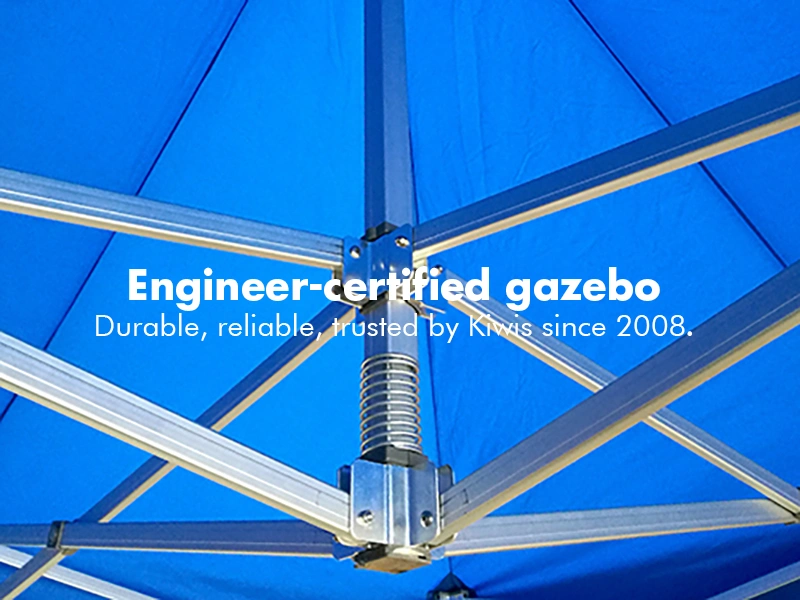
A gazebo with a documented wind rating can help you choose a model suited to your needs. Factors affecting wind resistance include:
- Materials: A suitable frame material provides strength and durability.
- Frame shape: The profile and overall design contribute to stability.
- Frame thickness: Thicker frame sections can help resist bending and flexing.
- Inner reinforcement: Internal reinforcement provides additional support.
Wind ratings vary by model and apply under specified testing and anchoring conditions. Check the specifications for your particular gazebo rather than treating a wind rating as a guarantee for every outdoor setup.
When to Pack Away Your Gazebo
Even with a wind-resistant gazebo and proper anchoring, extreme weather can be dangerous. Removing the sidewalls or adding more weight is not a substitute for packing away when conditions become unsuitable.
Check the local forecast before setting up and monitor conditions throughout your event. If strong winds or severe weather are forecast, pack away the entire gazebo in advance while conditions are safe.
Do not wait until the frame starts moving or the walls are under heavy strain. If conditions have already become unsafe, keep people clear and prioritise personal safety rather than attempting to hold the gazebo down.
Why Choose a Hercules Gazebo
Hercules offers heavy-duty gazebos for New Zealand markets, school events, sports clubs and business use, with different frame strengths to suit your needs and budget.
Our aluminium gazebo range includes models with published wind ratings. Check the individual product specifications and anchoring requirements when choosing your gazebo.
With replacement parts and local support available, our Auckland, Wellington and Christchurch teams can help you choose suitable anchoring accessories or advise on damaged sidewalls and eyelets.
Need help preparing your gazebo for outdoor use? Get in touch with your local Hercules team.